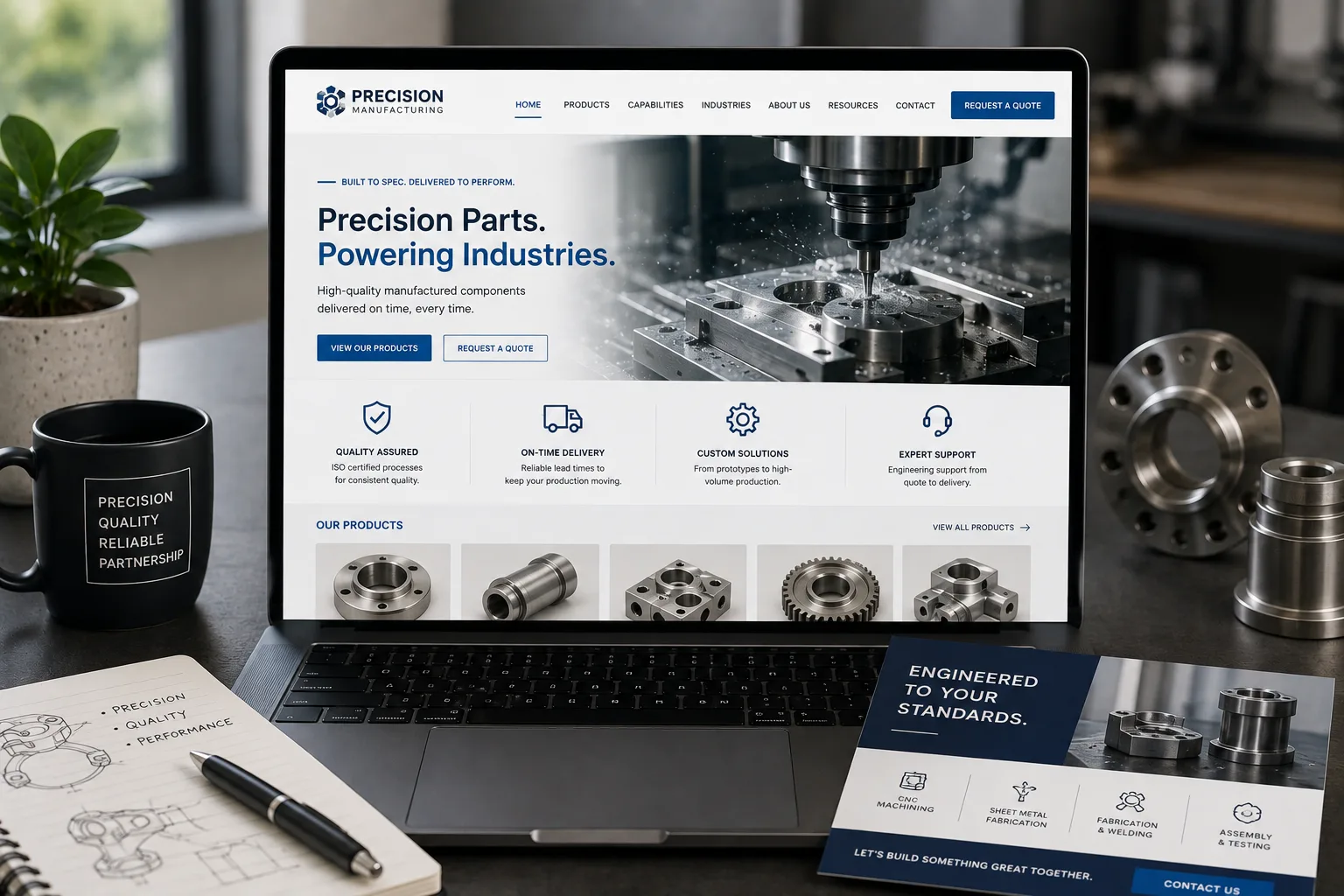
Many Kenyan manufacturers still treat their website as a digital brochure — a static list of products with minimal detail, built once and rarely revisited. Meanwhile, the buyers who matter most — procurement managers, distributors, wholesale buyers — increasingly research and shortlist suppliers online before ever picking up the phone. A manufacturer's website that isn't built to generate and capture these inquiries is leaving real business on the table.
Here's how to turn a basic product catalog into an actual lead-generation tool.
Why Manufacturer Websites Need a Different Approach
B2B buyers researching manufacturers behave differently than typical retail customers. They're often comparing multiple suppliers methodically, evaluating technical specifications carefully, and making decisions that involve multiple stakeholders and a longer sales cycle. A website built purely around aesthetics, without addressing these specific buyer needs, fails to support how manufacturing sales actually happen.
What a Lead-Generating Manufacturer Website Needs
1. Detailed, Searchable Product Information
Beyond a product photo and a one-line description, B2B buyers need specifications, materials, dimensions, certifications, and available customization options — the details that let a procurement professional actually evaluate fit before reaching out. Vague listings simply push serious buyers to a competitor with clearer information.
2. Clear Minimum Order Quantities and Pricing Guidance
While exact pricing may require a quote, being upfront about minimum order quantities, general pricing tiers, or typical order sizes helps buyers self-qualify before submitting an inquiry — saving both parties time on inquiries that were never going to be a fit.
3. Downloadable Technical Documents
Spec sheets, certifications, compliance documentation, and product catalogs available as downloadable PDFs give buyers material they can share internally with other decision-makers — a common and important part of the B2B buying process that a website-only presentation doesn't support.
4. A Clear, Low-Friction Quote Request Process
Rather than a generic contact form, a structured quote request form — capturing product interest, quantity, and delivery location upfront — makes it easier for your sales team to respond with relevant, useful information quickly, rather than starting from a vague inquiry.
5. Case Studies and Client Testimonials
For manufacturers, credibility often comes from demonstrated track record — case studies showing specific projects, client industries served, and successful outcomes build far more confidence than product listings alone, particularly for buyers considering a new, unfamiliar supplier.
6. Certifications and Compliance Information Prominently Displayed
Industry certifications, quality standards compliance, and relevant regulatory approvals are often deciding factors for B2B buyers, particularly in regulated industries — making this information easy to find, rather than buried, directly supports the sales process.
7. Clear Information About Production Capacity and Lead Times
Buyers evaluating a manufacturer often need to understand realistic production capacity and lead times to plan their own operations — being upfront about this on the website (even in general terms) helps set accurate expectations and builds trust through transparency.
8. Multiple, Clear Contact Pathways
Different buyers prefer different contact methods — a phone number for buyers wanting a direct conversation, an email or form for those wanting to document their inquiry, and potentially WhatsApp Business for faster, less formal follow-up.
9. Mobile-Friendly Design, Even for a B2B Audience
While manufacturer websites are often designed primarily for desktop use, a meaningful share of initial research — particularly from procurement staff reviewing options while away from their desk — happens on mobile, making responsive design just as important here as for consumer-facing sites.
10. SEO Optimized for Industry-Specific and Local Search Terms
Buyers searching for "steel fabrication Nairobi" or "packaging manufacturer Kenya" need to actually find your website. Structuring product pages and content around these specific, realistic search terms significantly improves discoverability for buyers actively looking for exactly what you offer.
From Static Catalog to Lead-Generating Tool: The Key Shift
The fundamental shift is moving from "here's what we make" to "here's what we make, here's why you should trust us, and here's exactly how to move forward." A catalog alone informs; a properly structured website actively guides a qualified buyer toward making contact.
A Realistic Starting Point
Not every improvement needs to happen simultaneously. A practical sequence:
- Ensure existing product listings have complete, detailed specifications
- Add a structured, simple-to-complete quote request form
- Build out a case studies or client showcase section
- Add downloadable technical documents and certifications
- Layer in SEO-focused content targeting specific industry and location search terms over time
Build a Website That Generates Real Manufacturing Leads
At Blessedave Technologies, we build websites for manufacturers designed around how B2B buyers actually research and evaluate suppliers — detailed product information, structured lead capture, and credibility-building content that turns a static catalog into a genuine sales tool.
Talk to us about your manufacturing company's website at blessedavetechnologies.com.